The Temple: Sacred Heart of
Black Rock City
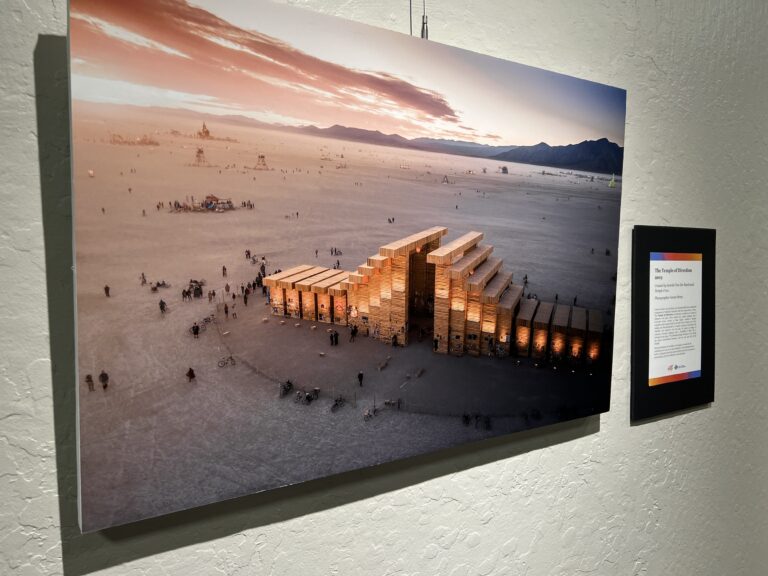
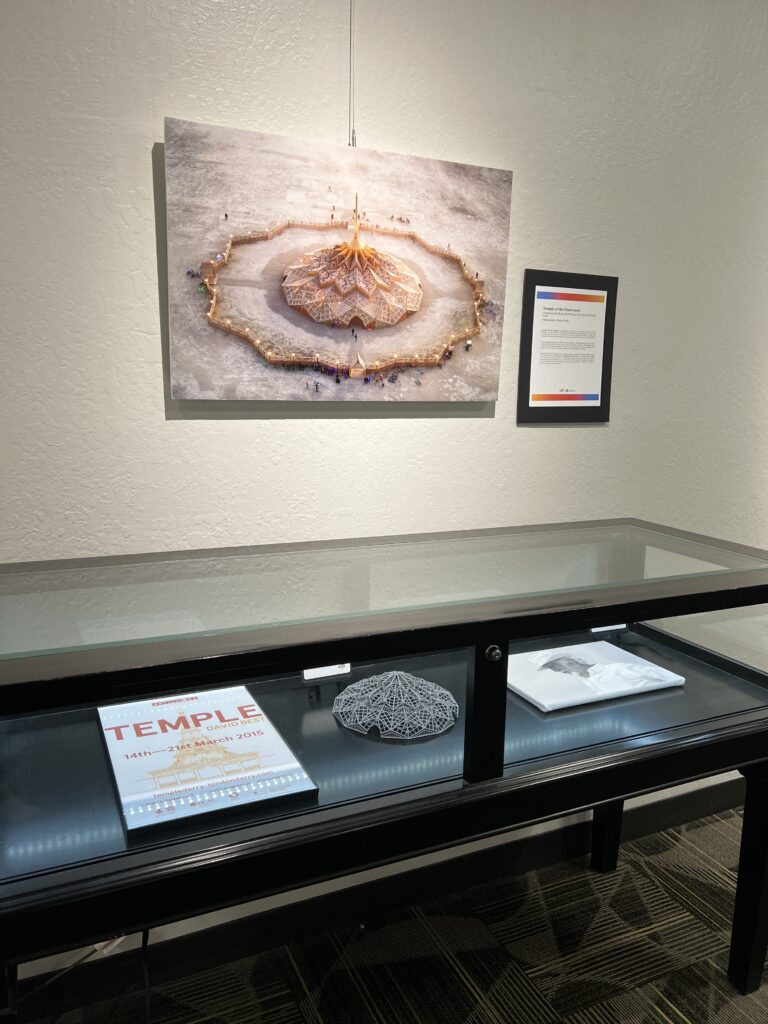
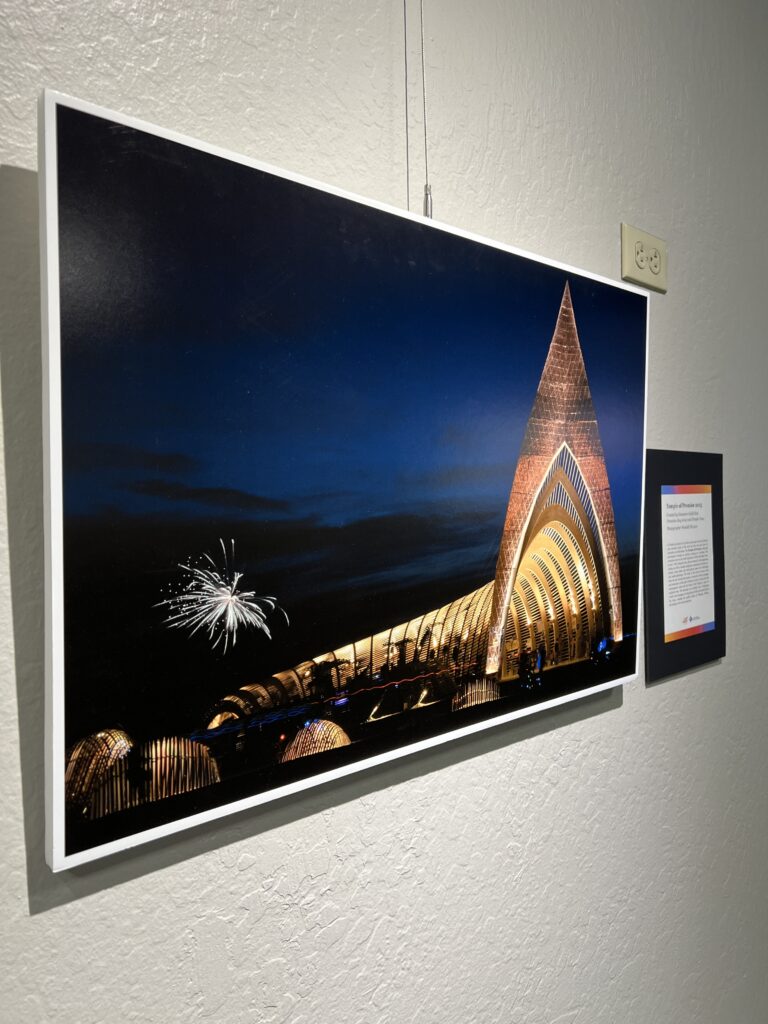
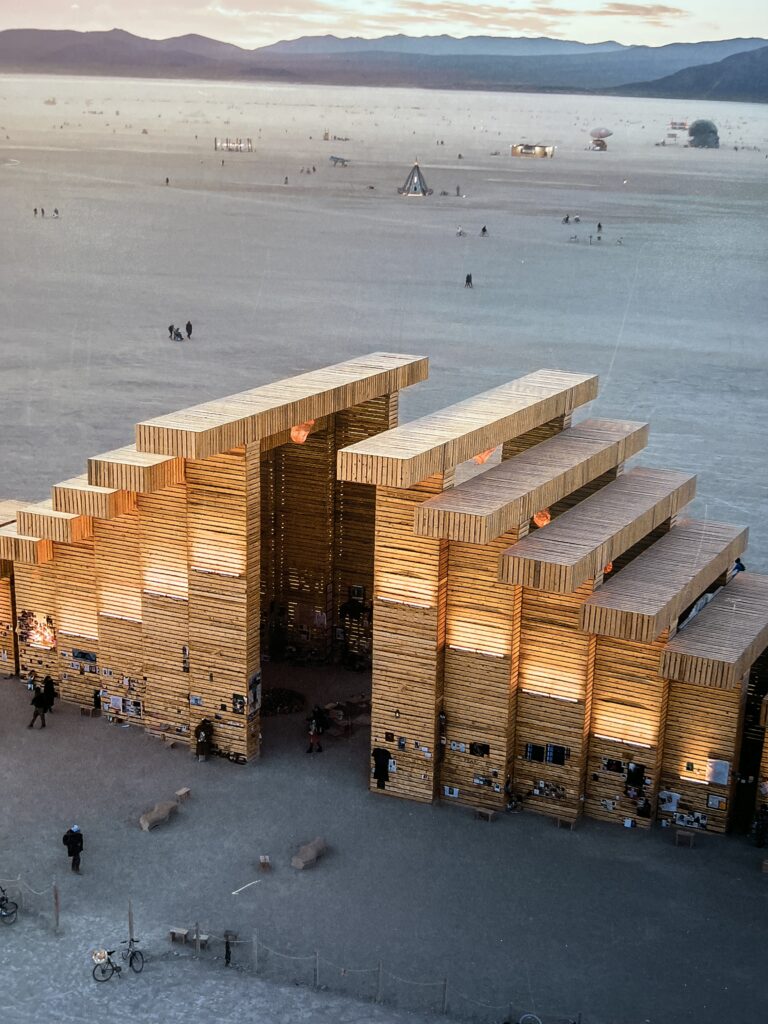
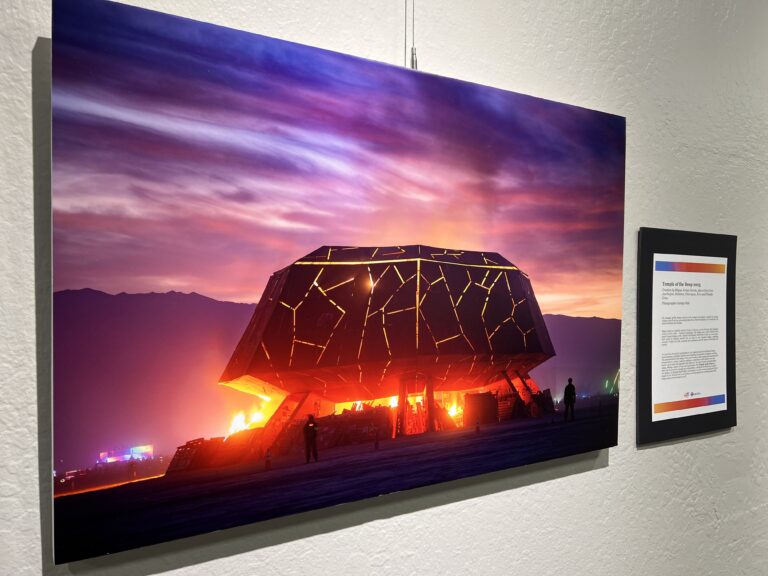
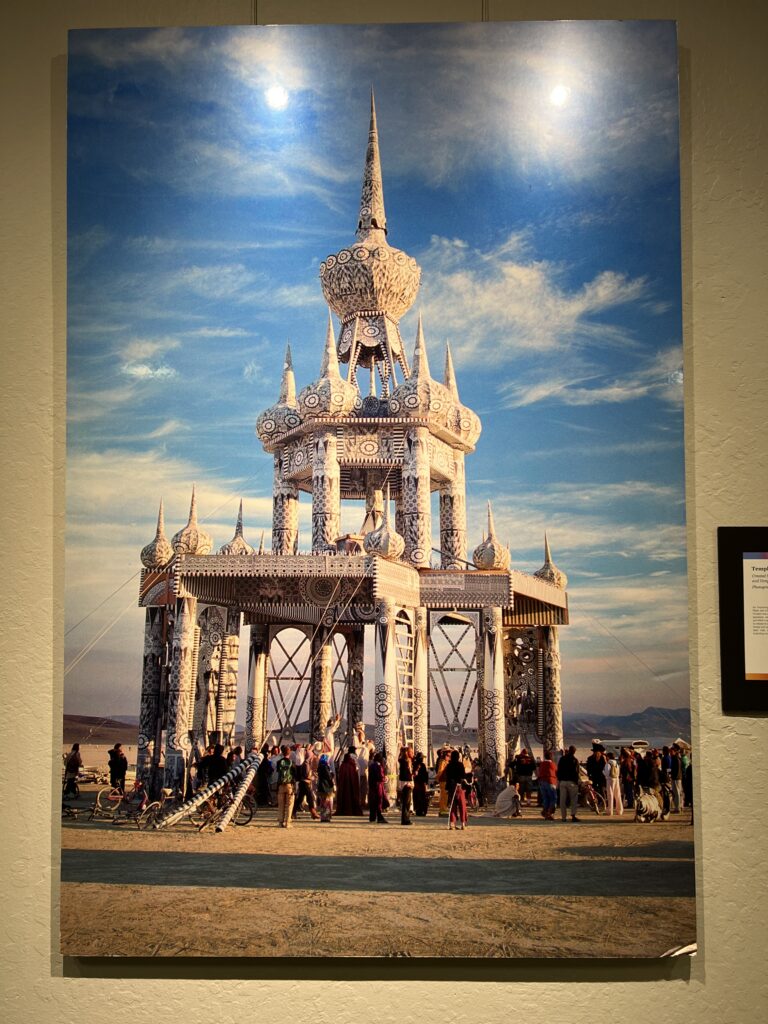
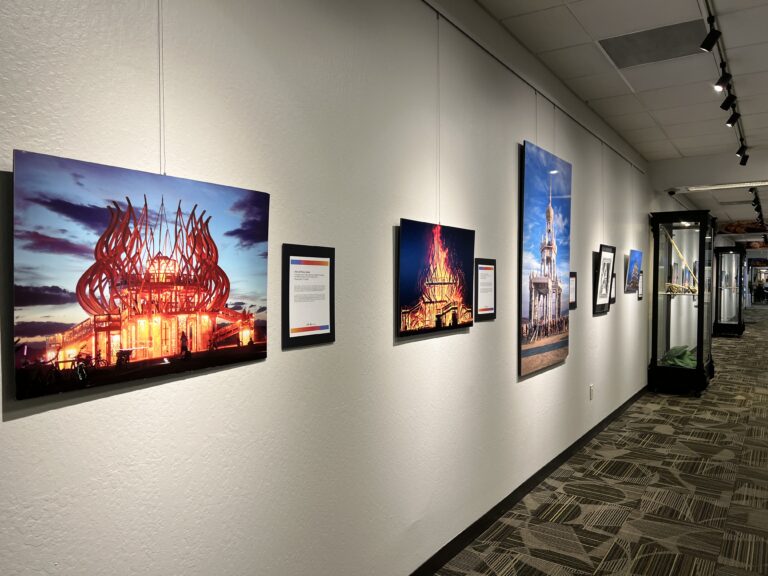
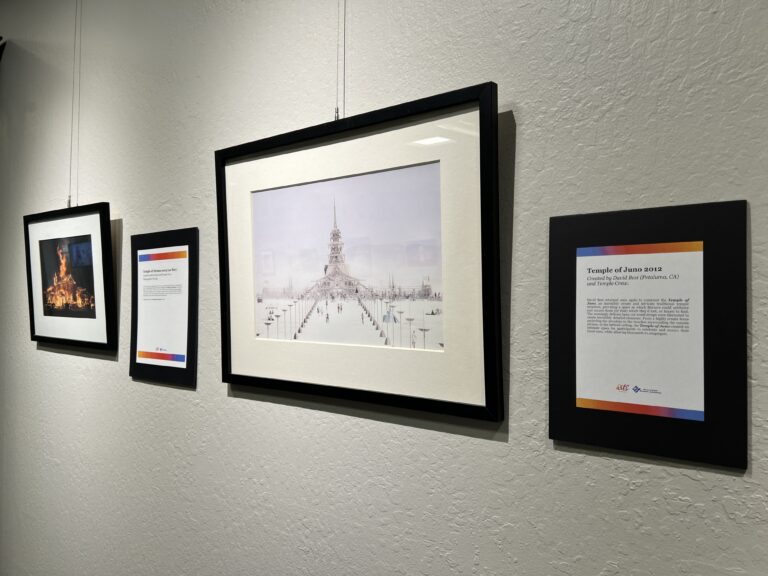
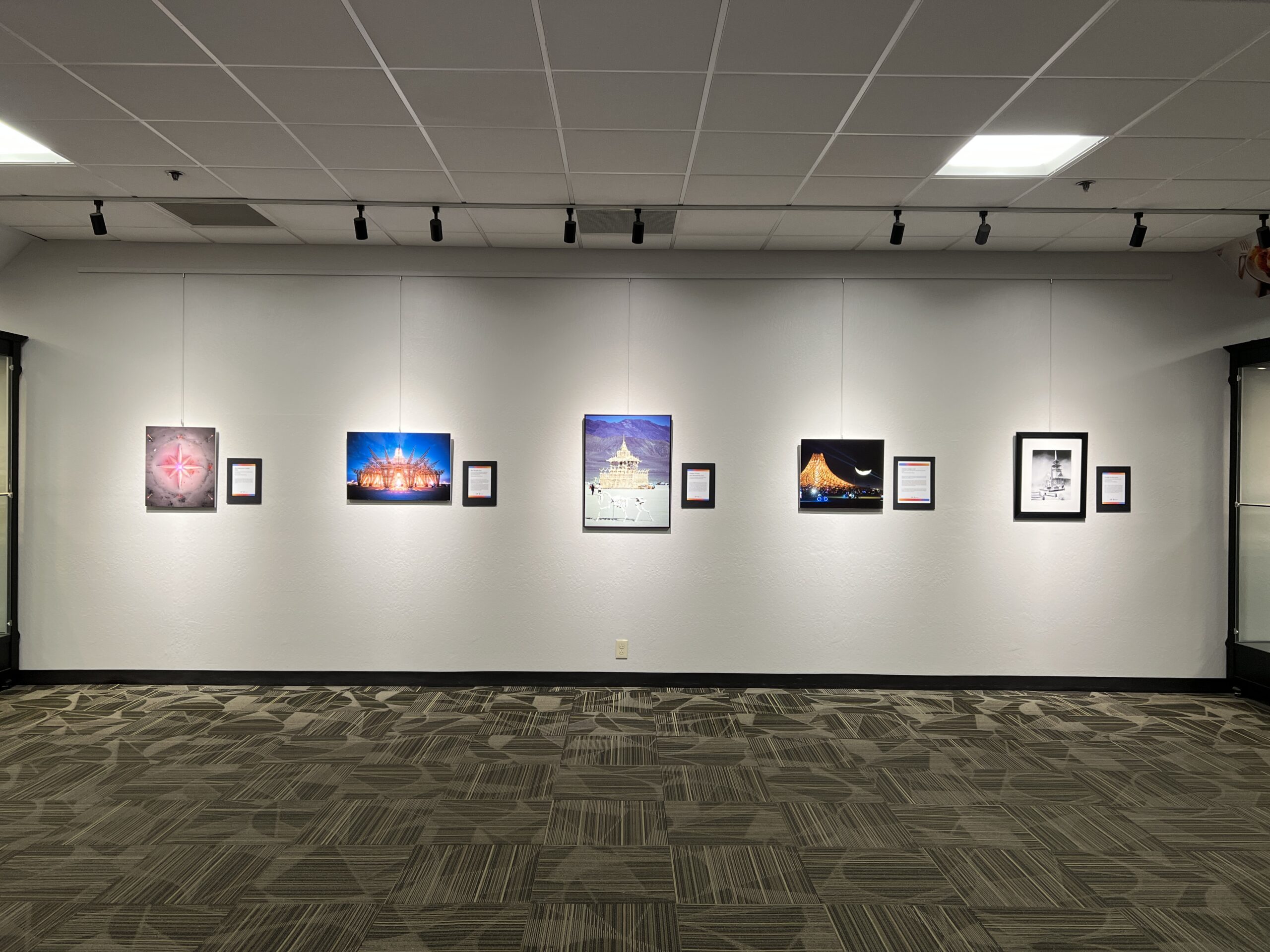
At the heart of Black Rock City is a place unlike any other at Burning Man: the Temple. While the Man represents the city’s spatial and temporal center – a moment of collective celebration, catharsis and transformation – the Temple offers a quieter, more introspective counterpart. It is a neutral, non-denominational spiritual space where participants can remember the past, confront loss, honor loved ones, reflect on mortality and consider what comes next.
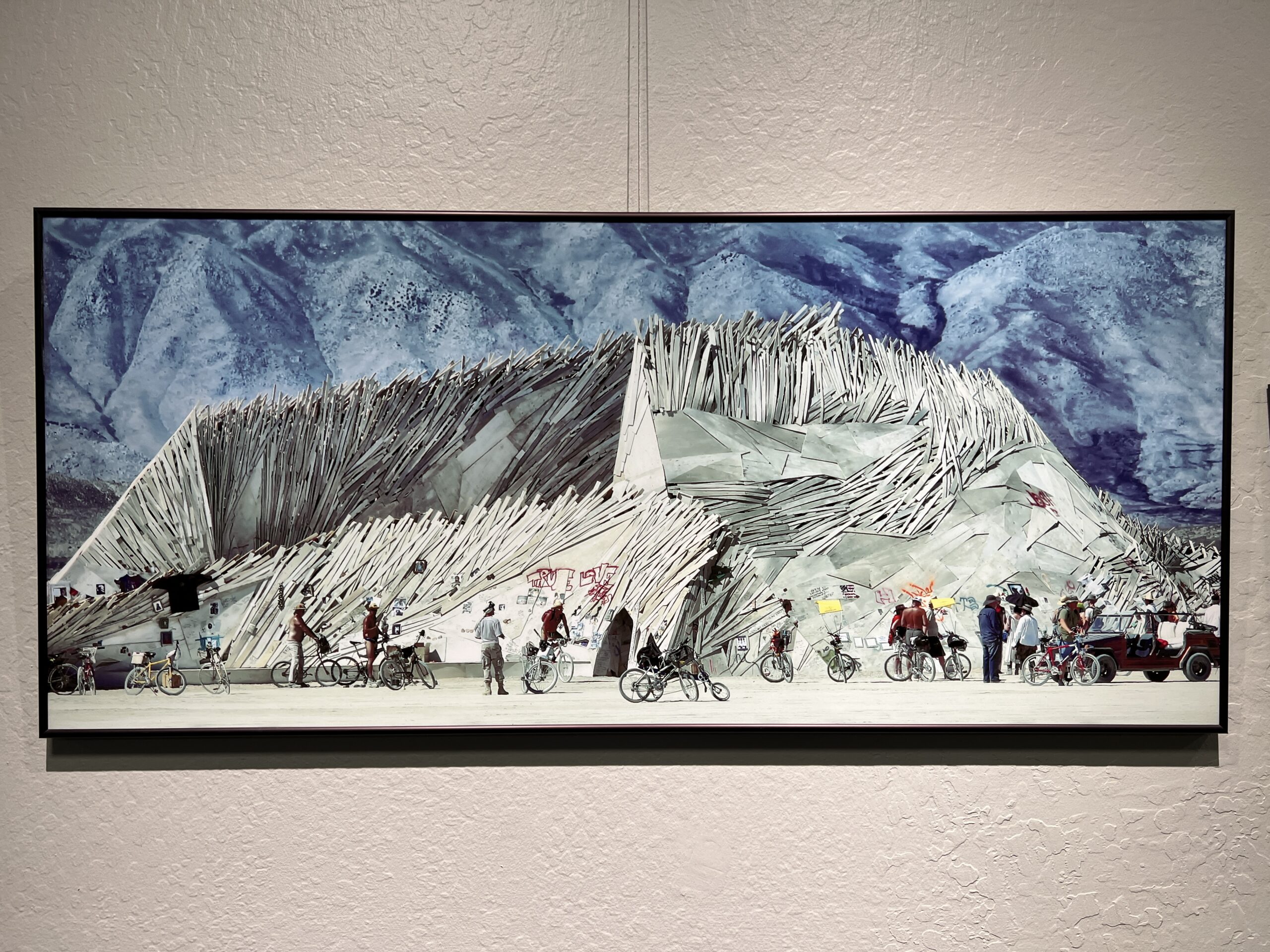
The Temple’s tradition began in 2000, when artist David Best transformed his installation, the Temple of the Mind, into an impromptu memorial for a friend who had died shortly before the event. What began as a response to personal tragedy became one of Black Rock City’s most enduring communal rituals. Over the years, the Temple has evolved through the work of Best and other artists and builders, but it’s essential purpose has remained: creating a shared space where every emotion – happy, sad, or in between – is welcome.
When the Temple first opens, it is a clean slate. By the end of Burning Man, its walls are covered with photographs, inscriptions, artwork and small mementos left by participants. In this way, the community transforms the structure into a collective repository of memory. The Temple ultimately belongs to everyone who enters it, and its sole official ritual is its release: on Sunday night, thousands gather in silence as the Temple is burned, offering a powerful communal act of remembrance, reflection and letting go.
A special thanks to Crimson Rose and the Burning Man Project for curating and loaning items for this exhibit.